
Burning the Midnight Oil for Living Energy Independence
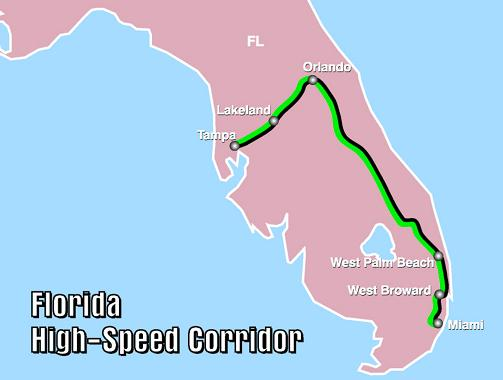
 The flashy rail projects are the very HSR projects to build bullet trains serving urban areas with millions of people.
But the role of rail in supporting sustainable extends beyond the bullet train system alone. It may not be critical to the financial success of these bullet trains to provide service to people living in urban areas of 50,000 to 200,000 ~ but its critical to these people to have access to some form of sustainable intercity transport.
Indeed, if we are going to be harvesting wind power, solar power, sustainably coppiced biocoal, geothermal, run of river hydro, and other sustainable resources … we are going to be creating incomes in areas away from the 1m+ cities. We best look after the needs of the people who come to those areas looking for work.
 I’ve written several times about the direct potential of the Steel Interstate project to cut our oil imports by 10% by getting long haul freight trucking off the road. It would at the same time relieve the crushing burden imposed by long haul trucking on our over-worked, under-maintained Interstate, National and State highways, help get renewable energy resources from places that they are to places people need electricity, and of course support long distance Rapid Passenger Rail offering dramatically improved reliability and transit speed, supporting operating surpluses with multiple services per day.
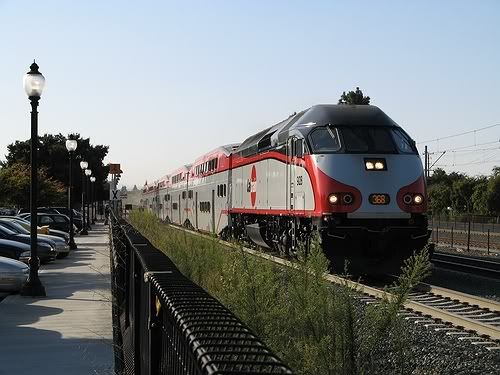 After the outcry when the Caltrain system between San Francisco and San Jose (and once in a while beyond) faced a scare that it would drop from 86 trains per day down to a peak-commute-only 48 trains per day …
 Suppose that you wanted to inject a framing into a purely political strategy which also happened to involve sabotaging the future of the nation’s economy? “We sabotaged the future economy” would be a bad talking point there.
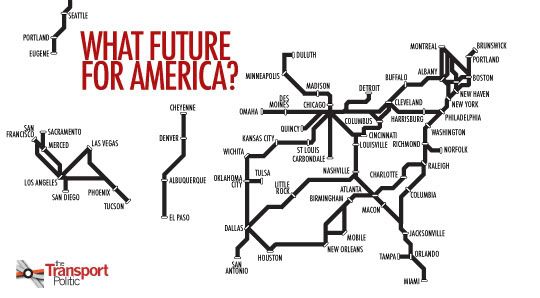 Way back before the Super Bowl, the White House had a series of exciting announcements, covered at
 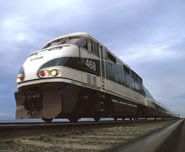 I’ve mentioned several times that there are lots of Federal Rail Authority regulations that are impediments to developing sustainable transport in the United States.
 We are in the Lame Duck Period. We have real unemployment rates of approximately 14% (counting
 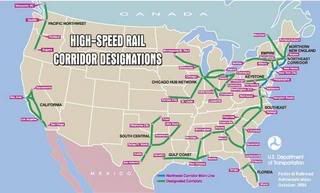 Last week I
  For the Daily Kos edition of this essay, I wrote:
 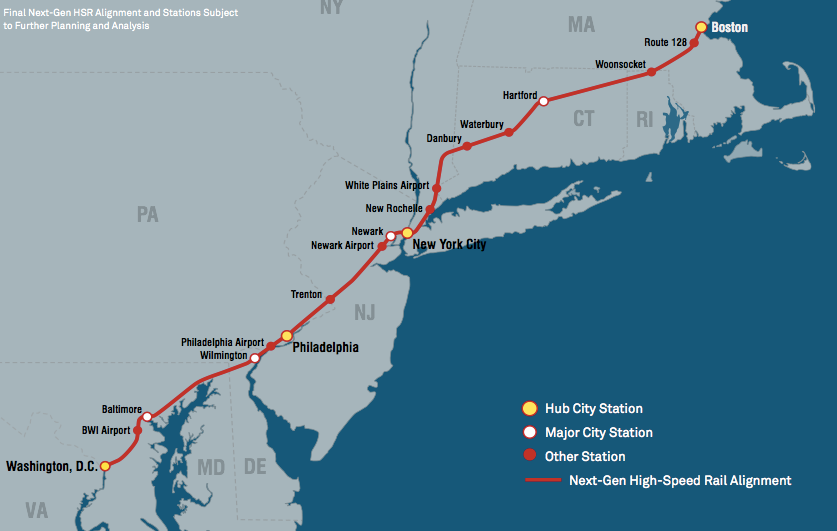 As The Transport Politic reported earlier this week: