
Burning the Midnight Oil for Living Energy Independence
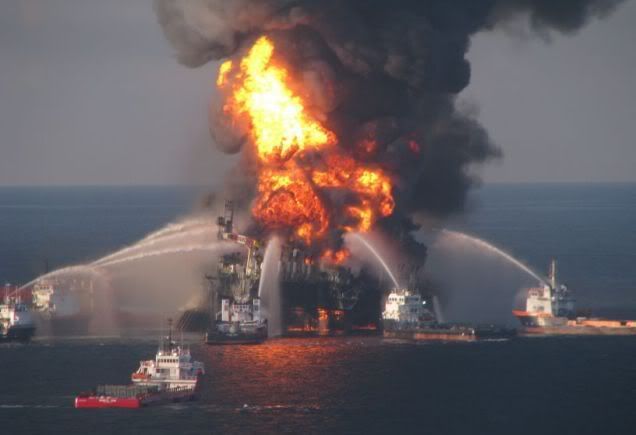

If we reduce our oil consumption by 5% a year over each of the next twenty years, that allows use to be free of our oil addiction if we choose to be. But as I observed last week, since 60%-70% of our oil consumption is in transport, that means that in each decade, seven out of the ten 5% reductions have to come out of transport.
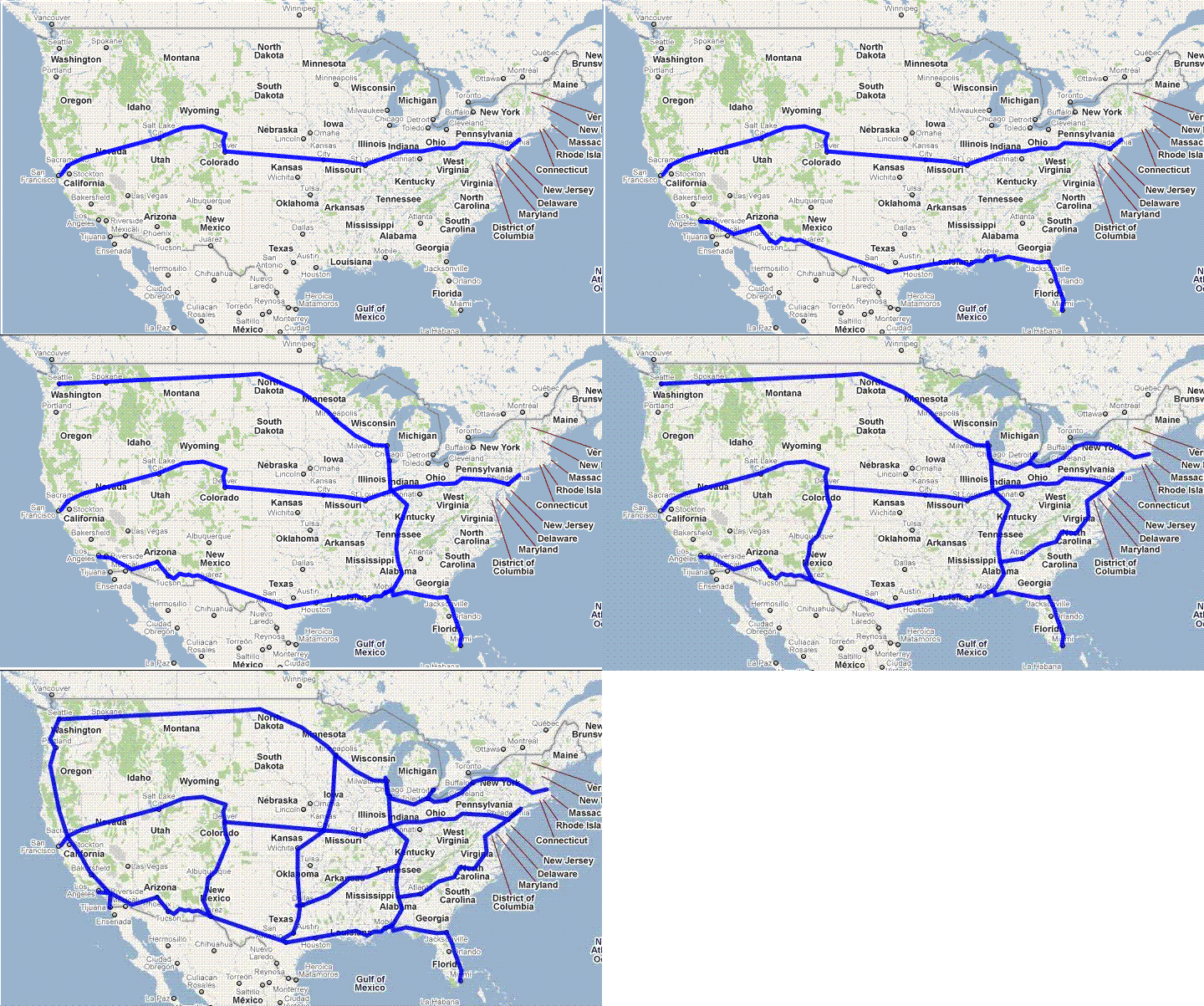
I set forward three of the seven for the coming decade last week: the Steel Interstates, national funding for sustainable power local transit corridors, and a target of 5% “Active Transport” – pedestrian and cycle transport.
I have written at some length on the Steel Interstate, but this was the first airing of the rest of the proposal. I promised to go into more depth this week … and that’s what I aim to do today.
 There was recently a fight over the 3C starter line for Ohio’s High Speed Rail system, which Governor Strickland won … and

 It often seems there is a deep canyon lying between what we can do and what needs to be done as a community, as a local region, as a state, as a national region, or as a nation.

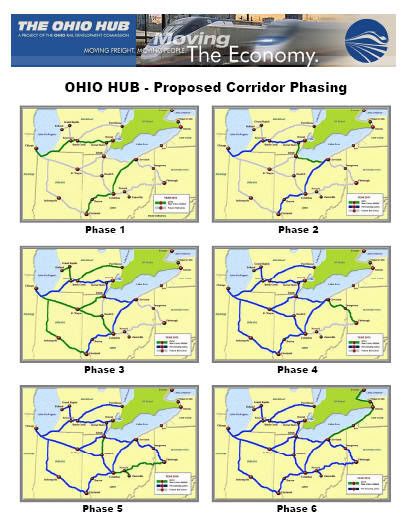 Today’s Sunday Train is focusing on attacks that have been launched against Ohio’s 3C plan, which was granted $400m in the HSR round of Stimulus II grants. There are attacks from Republicans, engaged in their usual games of negotiating in bad faith and basing critiques on focus group testing of talking points rather than substance. There are attacks from “transport experts”, calling for all of our HSR spending to be focused on the coasts with no systems developed to serve the needs of flyover country.
 I’ve been like a hare chased by a hound this weekend, darting this way and that, so while I’ve got a lot of topics I could be writing on, I’ve got nothing coherent for a full fledged diary. So this week will be bits and pieces and this and that.
 Disclaimer: Nothing said here should be taken to imply that airport/train connections are the primary transport task for either light rail, mass transit, conventional intercity rail, or high speed intercity rail. In other words, the focus of an essay in a regular weekly series on one particular topic does not imply anything along the lines of “most important thing”.
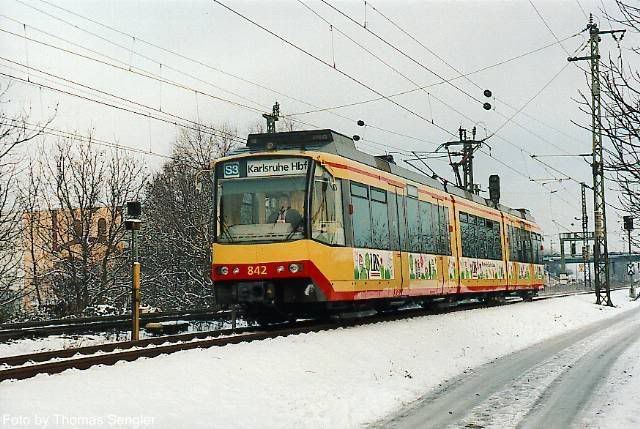 All to often, the idea of Energy Independence has its priorities reversed. Scratch under the surface, and all too often the question lurking is, “How can we get as close as possible to Energy Independence without any real changes in the way we live and move?”
 What is the CEI? It is the “Cost Effectiveness Index”, used to evaluate applications for capital improvements in transit. As described by Yonah Freemark at
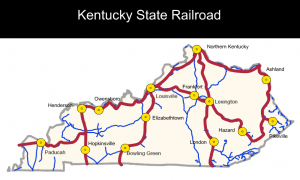 Doctor Dan Mongiardo, Kentucky’s Lieutenant Governor, has announced that he is running for the Democratic nomination for the Kentucky Senate race, to take on whoever wins the Republican nomination to challenge for the seat that Senator Bunning (R-Big$$$) has announced he is giving up.
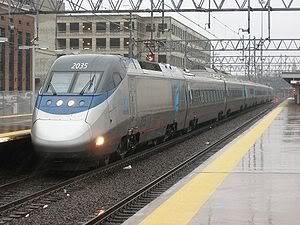 Last year, I told VP Joe Biden about the Sustainable Electric High(er) Speed Rail I wanted for Christmas (cf. links below). It involved electrifying the 30,000+ miles of STRACNET, and establishing 100mph Rapid Freight Rail paths, including support for running 110mph or 125mph long haul electric passenger services on the Rapid Freight paths.